Swiss Residence Permits for Entrepreneurs and HNW Families
Helping hundreds of people move to Switzerland since 2012.
About the team behind this guide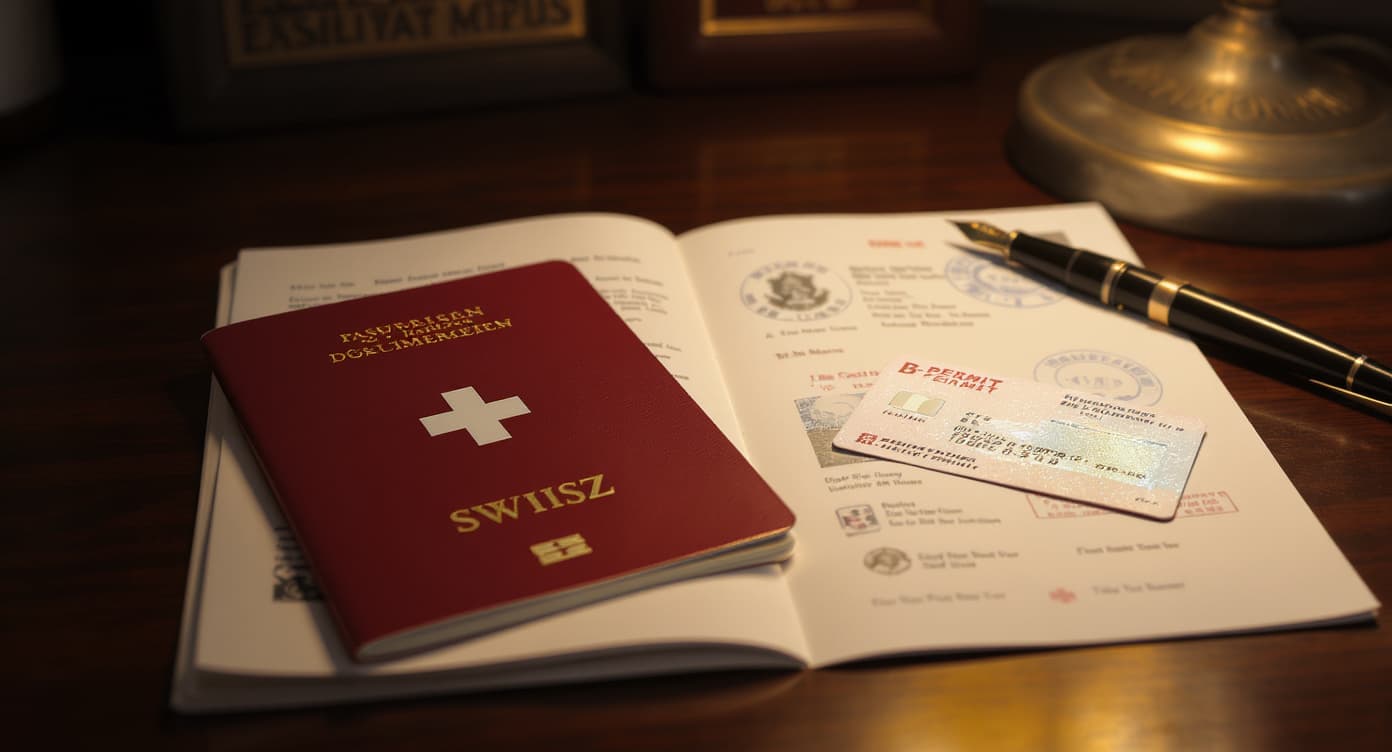
Residence planning
Understanding Switzerland's residency permit system is fundamental to any relocation plan. The type of permit you hold affects everything — from your tax treatment and property rights to your family's stability and long-term options. This guide covers the main permit categories, their requirements, and the pathway from initial residence to Swiss citizenship.
Overview of the Swiss Permit System
B is a residence permit, L a short-stay permit, C a settlement permit and G a cross-border commuter permit. The appropriate category and its conditions depend on nationality, purpose of stay and the authority’s decision.
The B Permit: Your Gateway to Switzerland
The B permit is the standard residence permit for foreign nationals living in Switzerland. However, the application process and conditions differ significantly based on nationality.
EU/EFTA Nationals
EU/EFTA nationals can qualify through employment, self-employment or residence without gainful activity. The latter requires sufficient resources and adequate health and accident insurance. Permit duration depends on the basis of admission. Submit the documentation requested by the local authority; processing time is not a national guarantee.
Non-EU/EFTA Nationals
For non-EU/EFTA nationals, the legal basis must be assessed individually. Employment, self-employment, retirement and exceptional admissions have different requirements. Wealth, a property purchase, company incorporation or a tax ruling does not by itself confer a residence permit. Cantonal and, where required, federal authorities decide; obtain an assessment before committing to a move.
The C Permit: Permanent Settlement
A C settlement permit may be granted after five or ten years depending on nationality, applicable agreements, residence history and integration. Five years is not a universal EU rule. Settlement and later citizenship are separate applications, subject to their own conditions; neither follows automatically from a B permit.
Family Inclusion
Family rules depend on the sponsor’s nationality and permit. Under EU/EFTA free movement, qualifying family can include a spouse, children under 21 or dependent children, and dependent parents, subject to conditions. Third-country rules differ and can include age limits, application deadlines, housing, language and financial requirements. Check each family member before fixing school or moving dates.
The Path to Swiss Citizenship
Ordinary naturalisation generally requires a C permit and ten years of qualifying residence, including three of the preceding five years. Years between ages 8 and 18 count double, with at least six years of actual residence. Cantonal and communal residence rules also apply, alongside language and integration requirements. Eligibility is not a promise of citizenship.
Entrepreneurs: company ownership and the right to work
Before forming a company for your move, describe what you will do in Switzerland and which immigration basis applies. EU/EFTA self-employment and admission of third-country entrepreneurs require different assessments. For a third-country founder, prepare to discuss business viability, financing, qualifications and the proposed contribution to the Swiss economy with the relevant specialists and authority. Incorporation alone does not decide the application.
High-net-worth families: assess each person’s activities
Wealth is part of the financial picture, not a substitute for a legal residence basis. List the intended work and family role of each applicant, including a spouse who may continue a business remotely. Keep the residence assessment separate from any tax-ruling request. Agree the sequence before a property commitment, school start or business transaction makes the move date difficult to change.
From a residence route to a local registration appointment
Knowing which permit you may qualify for is only one part of the move. Before arriving, confirm the office handling your registration, the accommodation evidence it accepts and who must attend. Municipality registration and permission to work should be checked separately.
In the City of Zurich, arrivals from abroad require an in-person appointment at Zürich Süd, with all family members present for a family registration. By contrast, Steinhausen in Canton Zug directs foreign nationals to the cantonal migration office. The right appointment depends on where you will actually live. Zurich's appointment instructions; Steinhausen's registration instructions.
If your first home is temporary, send the municipality a description of the arrangement before booking and ask which accommodation evidence it requires. Keep its reply with your application documents. Do not assume a holiday booking alone will resolve residence registration.
Build your budget · Prepare your rental application · Compare local planning considerations · Use the relocation checklist
Local guidance checked 10 September 2026. Official procedures can change; confirm the instructions for your nationality, address and move type before applying. Planning questions are our suggested preparation framework.
Related Services
Ready to turn Switzerland into an executable plan?
Share the essentials privately, or start with the Swiss Arrival guide if you are still comparing options.