Sveitsisk oppholdstillatelse for gründere og formuende
Vi har hjulpet hundrevis av mennesker med å flytte til Sveits siden 2012.
Om teamet bak denne veiledningen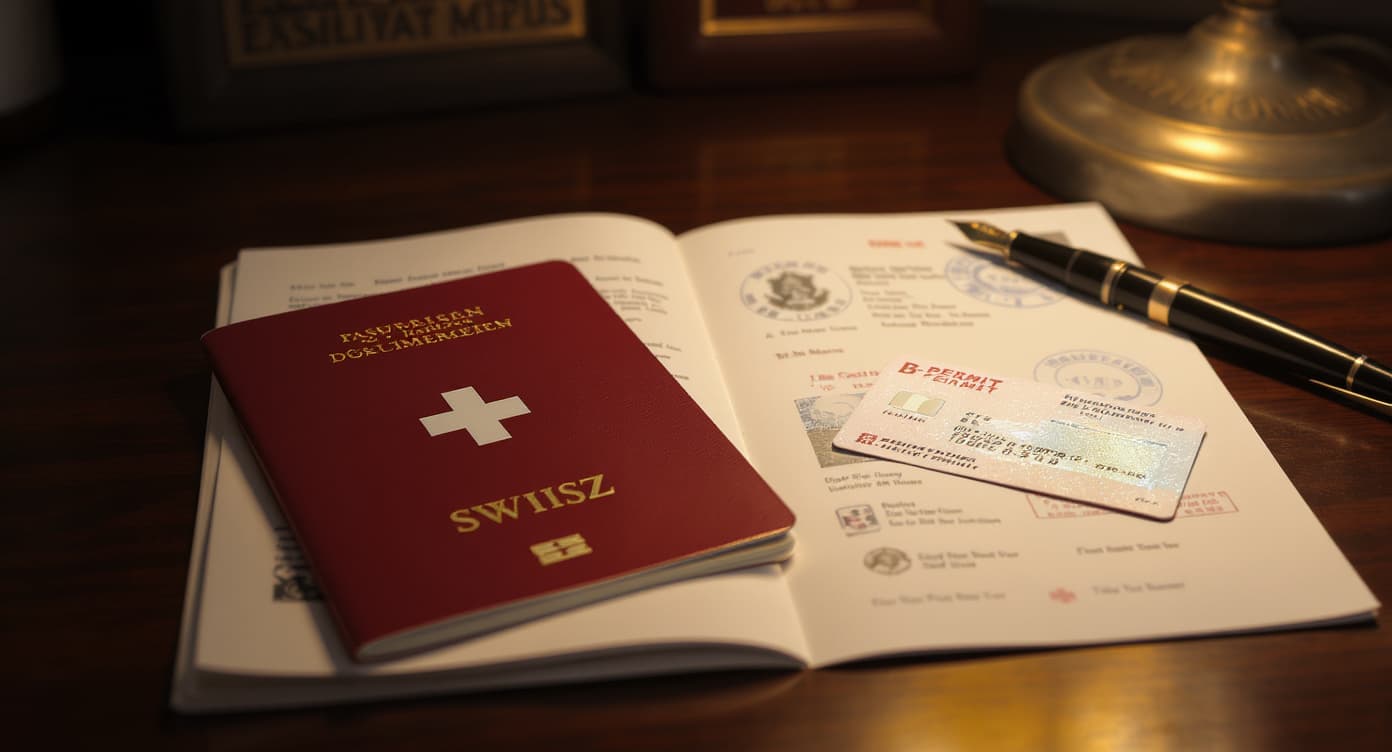
Oppholdsplanlegging
Å forstå det sveitsiske systemet for oppholdstillatelser er grunnleggende for enhver flytteplan. Hvilken type tillatelse du har, påvirker alt – fra skattemessig behandling og rett til å eie eiendom til familiens stabilitet og langsiktige muligheter. Denne veiledningen dekker de viktigste tillatelseskategoriene, kravene til dem og veien fra første opphold til sveitsisk statsborgerskap.
Oversikt over det sveitsiske tillatelsessystemet
B er oppholdstillatelse, L korttidstillatelse, C permanent oppholdstillatelse og G grensependlertillatelse. Kategori og vilkår avhenger av nasjonalitet, oppholdsformål og myndighetens avgjørelse.
B-tillatelsen: din inngangsport til Sveits
B-tillatelsen er den vanlige oppholdstillatelsen for utenlandske statsborgere som bor i Sveits. Søknadsprosessen og vilkårene varierer imidlertid betydelig avhengig av nasjonalitet.
EU/EFTA-borgere
EU/EFTA-borgere kan kvalifisere gjennom ansettelse, selvstendig virksomhet eller opphold uten arbeid. Sistnevnte krever tilstrekkelige midler og passende helse- og ulykkesforsikring. Tillatelsens varighet avhenger av oppholdsgrunnlaget. Lever dokumentene den lokale myndigheten krever; saksbehandlingstiden er ikke nasjonalt garantert.
Borgere utenfor EU/EFTA
For borgere utenfor EU/EFTA vurderes rettsgrunnlaget individuelt. Arbeid, selvstendig virksomhet, pensjonering og unntaksvis adgang har ulike vilkår. Formue, boligkjøp, selskapsstiftelse eller en skatteavklaring gir ikke alene oppholdstillatelse. Kantonale og eventuelt føderale myndigheter avgjør saken. Be om vurdering før bindende flyttebeslutninger.
C-tillatelsen: permanent opphold
En C-tillatelse kan gis etter fem eller ti år avhengig av nasjonalitet, avtaler, oppholdshistorikk og integrering. Fem år er ingen generell EU-regel. Permanent opphold og statsborgerskap krever separate søknader og følger ikke automatisk av en B-tillatelse.
Familiegjenforening
Familiegjenforening avhenger av hovedpersonens nasjonalitet og tillatelse. EU/EFTA-reglene kan omfatte ektefelle, barn under 21 eller forsørgede barn samt forsørgede foreldre, på bestemte vilkår. Tredjelandsregler kan ha andre aldersgrenser, frister og krav til bolig, språk og økonomi. Avklar hvert familiemedlem før skole- og flyttedatoer fastsettes.
Veien til sveitsisk statsborgerskap
Ordinær naturalisering krever normalt C-tillatelse og ti tellende oppholdsår, hvorav tre i de siste fem. År mellom 8 og 18 teller dobbelt, med minst seks års faktisk opphold. Kantonale og kommunale bostedskrav samt språk- og integreringskrav gjelder også. Kvalifisering garanterer ikke statsborgerskap.
Gründere: eierskap i selskap og retten til å arbeide
Før du stifter et selskap med tanke på flyttingen, bør du beskrive hva du skal gjøre i Sveits, og hvilket innvandringsgrunnlag som gjelder. Selvstendig virksomhet for EU/EFTA-borgere og opptak av gründere fra tredjeland krever ulike vurderinger. En gründer fra et tredjeland bør forberede seg på å drøfte virksomhetens levedyktighet, finansiering, kvalifikasjoner og det planlagte bidraget til sveitsisk økonomi med de relevante spesialistene og myndigheten. Selskapsstiftelsen alene avgjør ikke søknaden.
Formuende familier: vurder hver persons aktiviteter
Formue er en del av det økonomiske bildet, ikke en erstatning for et rettslig oppholdsgrunnlag. List opp planlagt arbeid og rollen i familien for hver søker, inkludert en ektefelle som kanskje vil fortsette å drive en virksomhet på avstand. Hold vurderingen av oppholdet atskilt fra en eventuell anmodning om skatteavklaring. Avtal rekkefølgen før en eiendomsforpliktelse, skolestart eller forretningstransaksjon gjør flyttedatoen vanskelig å endre.
Relaterte tjenester
Klar til å gjøre Sveits til en gjennomførbar plan?
Del det viktigste i fortrolighet, eller start med Swiss Arrival-guiden hvis du fortsatt sammenligner alternativer.