April 1, 202610 min read

Lex Koller: What Foreign Buyers Need to Know About Swiss Real Estate

M

Move to Switzerland Rådgivningsteam

Ekspertrådgivning

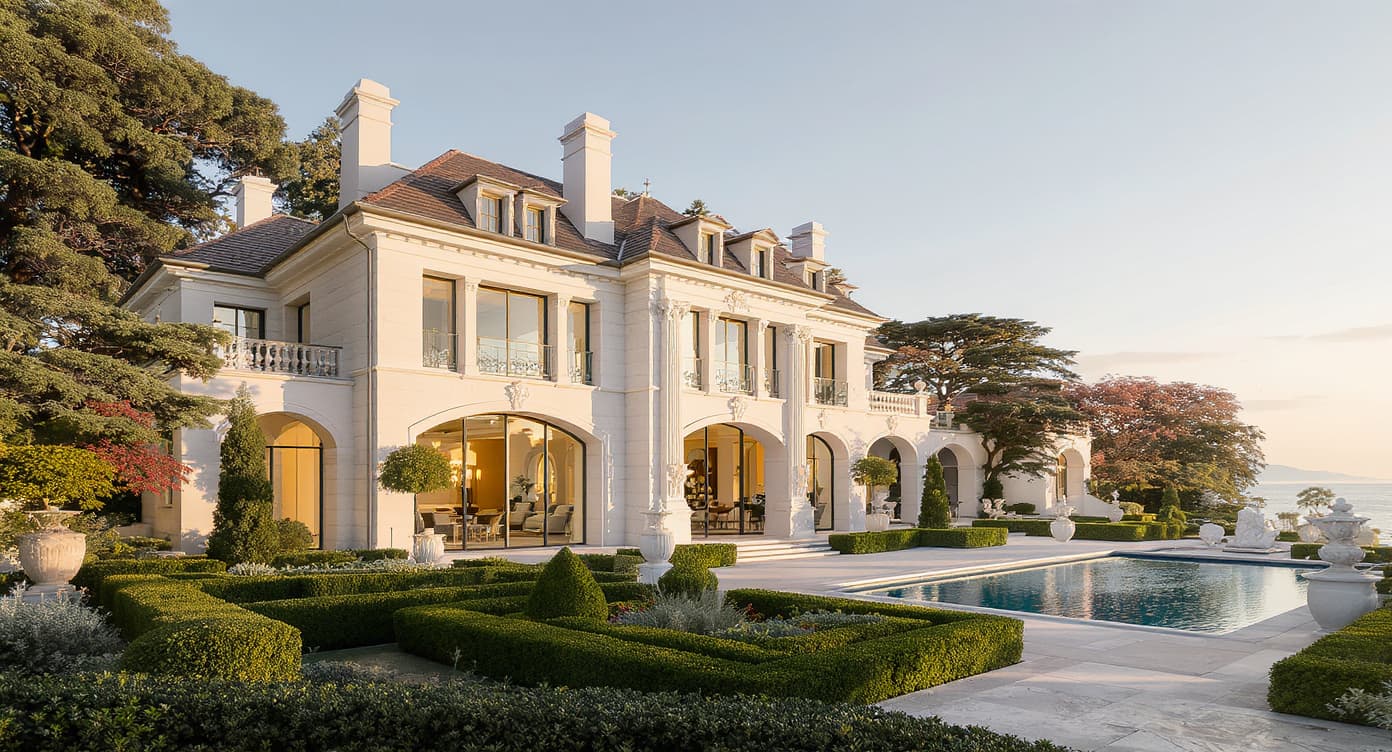
Luksuriøs sveitsisk innsjøvilla med alpekulisser i gyllent lys

Switzerland's real estate market is among the most stable and desirable in the world — and among the most regulated for foreign buyers. The Federal Act on the Acquisition of Real Estate by Persons Abroad, commonly known as Lex Koller (or historically Lex Friedrich), governs how non-Swiss nationals can acquire residential property in Switzerland. Understanding this law is essential for anyone relocating to Switzerland and planning to purchase a home.

What Is Lex Koller?

Lex Koller is a federal law that restricts the acquisition of residential real estate by foreign nationals who are not resident in Switzerland. Enacted in 1961 and revised multiple times since, the law's purpose is to prevent the "foreign over-alienation" of Swiss land — essentially, to ensure that Swiss real estate remains available to Swiss residents rather than being acquired as investment properties by non-residents. The law applies specifically to residential property. Commercial and industrial real estate is generally exempt, meaning foreign-owned companies can acquire office space, retail premises, and industrial property without Lex Koller restrictions.

Who Is Affected?

Lex Koller applies to persons abroad — defined as foreign nationals who do not have their permanent residence in Switzerland, and foreign-controlled companies. The key distinctions are as follows. EU/EFTA nationals with a valid residence permit (B or C permit) are treated essentially the same as Swiss nationals for the purpose of acquiring a primary residence. They can purchase residential property for their own use without authorization. Non-EU/EFTA nationals with a B permit can purchase a primary residence without authorization in most cantons, but face restrictions on secondary residences and investment properties. Persons without Swiss residence (regardless of nationality) require cantonal authorization to purchase residential property, and such authorization is subject to strict quotas. Swiss nationals living abroad are not affected — they can purchase freely.

Types of Property and Restrictions

The restrictions vary by property type. Primary residence (Hauptwohnung): permit holders (B or C) can purchase a primary residence at their place of residence without authorization. The property must serve as their actual home. Secondary or holiday residences (Ferienwohnung): these are subject to the strictest restrictions. Purchase by non-residents requires cantonal authorization, which is allocated through a federal quota system (known as the contingent). The property must be in a recognized tourist area, and there are size limitations (typically a maximum of 200m² net living area). Investment/rental properties: non-resident foreigners generally cannot acquire residential investment properties. Permit holders can acquire investment properties subject to cantonal rules. Commercial property: generally exempt from Lex Koller.

Cantonal Differences

While Lex Koller is a federal law, implementation involves cantonal authorities, and there are meaningful differences in how cantons handle applications. Zurich is relatively straightforward for permit holders purchasing a primary residence. The cantonal land registry (Grundbuchamt) typically processes acquisitions without issue if the buyer has a valid permit and the property is at their registered address. Zug follows a similar approach but has some additional commune-level requirements. Certain municipalities in Zug require additional documentation or have waiting periods. Schwyz is generally accessible and, combined with lower property prices and very low tax rates, represents excellent value for relocating families. Geneva and Vaud have the highest demand from foreign buyers, leading to more scrutiny of applications. Geneva in particular has tight secondary residence quotas. Valais and Graubünden, as major tourist cantons, have the most developed regimes for authorizing holiday residence acquisitions.

The Authorization Process

When authorization is required (typically for secondary residences or for buyers without a residence permit), the process involves several steps. The buyer submits an application to the cantonal authority responsible for Lex Koller matters — usually the cantonal Grundbuchamt or a dedicated department of justice. The application must include the purchase agreement (usually a preliminary "Vorvertrag"), proof of the buyer's connection to Switzerland or the specific location, evidence that the acquisition falls within one of the permitted categories, and confirmation that the property meets size and usage requirements. The cantonal authority reviews the application against the federal quota (for holiday residences) and cantonal criteria. Processing times vary from 2–6 weeks in smaller cantons to 2–3 months in Geneva or Vaud.

Practical Strategies for Foreign Buyers

For high-net-worth individuals relocating to Switzerland, several practical strategies can simplify the real estate acquisition process. The most straightforward approach is to obtain a B permit before purchasing property. With a valid residence permit, acquiring a primary residence becomes essentially the same process as for a Swiss citizen. For families who wish to purchase before their permit is issued, it is sometimes possible to enter into a conditional purchase agreement (Vorvertrag) that is contingent on the permit being granted. For those interested in acquiring secondary residences or investment properties, incorporating a Swiss company can sometimes provide a pathway, though this requires careful structuring to avoid being classified as a foreign-controlled company. Working with a specialized real estate advisor who understands both Lex Koller and the local market is essential. Off-market properties — common in the luxury segment — often represent the best opportunities and require an advisor with established networks.

Recent Developments and Outlook

There have been periodic discussions about reforming or abolishing Lex Koller. A 2017 federal proposal to loosen restrictions on commercial property acquisition was shelved, and more recent discussions have focused on tightening rather than loosening the law, particularly regarding secondary residences in tourist areas. For the foreseeable future, Lex Koller remains firmly in place. Relocating families should plan their real estate strategy in conjunction with their immigration timeline — the two are intimately connected, and proper coordination can save significant time and complexity.

Property Prices: What to Expect

Swiss real estate prices, particularly in prime locations, are among the highest in the world. In Zurich city, expect CHF 15,000–35,000 per square metre for prime residential property. Gold Coast communities along Lake Zurich (Küsnacht, Zollikon, Herrliberg) command premiums of CHF 20,000–40,000/m². In Zug, town centre properties range from CHF 12,000–25,000/m², with surrounding villages from CHF 8,000–14,000/m². Schwyz offers more accessible pricing at CHF 6,000–14,000/m² lakeside and CHF 4,000–8,000/m² in inland villages. These prices reflect the quality, stability, and scarcity of Swiss real estate — and the fact that property in Switzerland has historically been one of the most reliable stores of value globally.

Din vei til Sveits

En spesialisert flytte- og strategisk rådgivningstjeneste for velstående privatpersoner og familier

Book en fortrolig konsultasjon
Lex Koller: What Foreign Buyers Need to Know About Swiss Real Estate